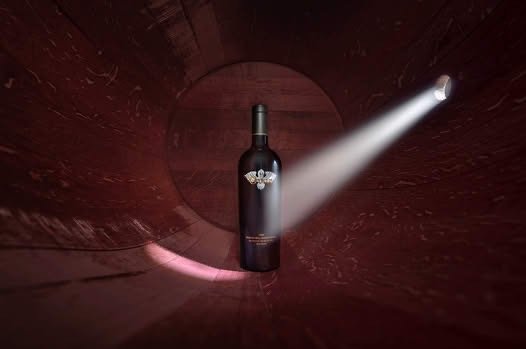
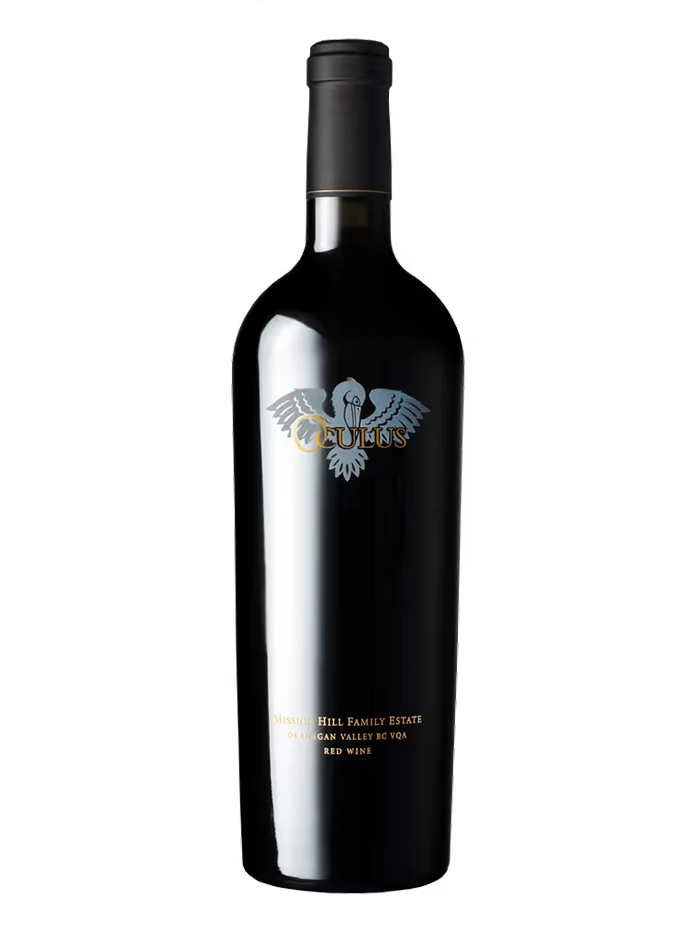
Tasting Note During the National Wine Awards of Canada my role as a co-chief judge is to run quality control of the judging process (re-pours, etc.) which places me in the back room where I can also do snap-shot tastings, that don’t figure in the judging. This is where I first encountered 2021 Oculus, and although I didn’t make notes at the time, I was indelibly struck by the textural finesse and outstanding length. It was really one of the finest Canadian Bordeaux blends I have ever tasted, if not the most “showy.” Tasting on release in December I was struck again by its sense of attenuation, but also how manicured it is, how everything folds in so effortlessly. The tannins in particular are very well fitted, which can be hard to achieve in the Okanagan. They are certainly present and drying, which will give the wine long life, but they are not hard and green. The acidity is perfect, as is the alcohol (14.5%) balance. Expect classic merlot raspberry/blackberry fruit woven into subtle wood spice, but aerate for better impact. In the end a very elegant rendition, with outstanding length.
Backgrounder Mission Hill has led the Okanagan Valley’s ascent into premium quality for 25 years, being named Canada’s Winery of the Year at the WineAlign National Wine Awards six times since the first competition in 2021. Oculus was the first Canadian red to push through the $100 ceiling, and is now $200. The first vintage was in 1997, a point in B.C. history when others like Black Hills were opening and contemplating the potential of Bordeaux red blends. Oculus has been designed from the ground up to play in the theatre of the world’s best Bordeaux-inspired blends, and it does. Components vary depending on vintage but merlot is usually the lead actor. In this vintage, the blend is 54% merlot, 28% cabernet sauvignon, 18% cabernet franc, with grapes sourced 83% from Osoyoos, 16% from Black Sage, 1% from Golden Mile, all in proximity in the South Okanagan. More importantly the blocks used have been identified and groomed specifically for flavour concentration, with that attention to detail following through separate fermentations and ageing 19 months in French oak, then blending.