Please Subscribe to Unlock
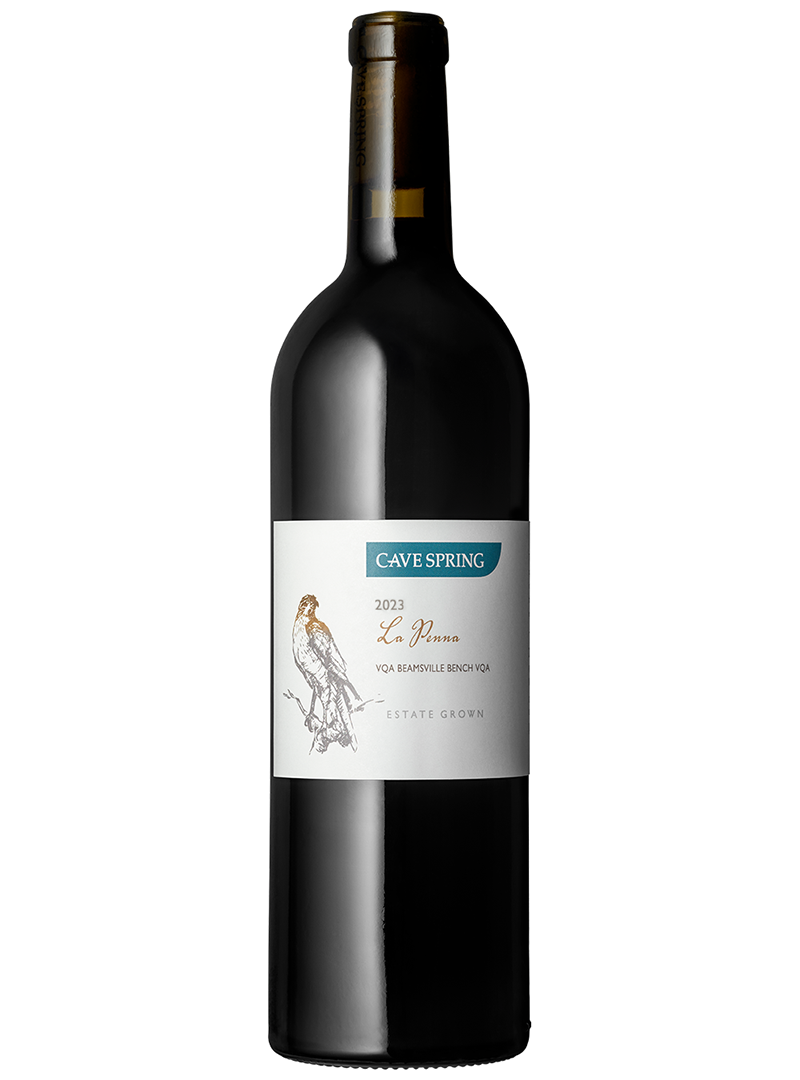
Tasting Note: This is an intriguing outlier in Niagara’s expanding universe of cabernet franc expressions, made from grapes that have been dried before fermentation. The appassimento process as it is called in Italy’s Valpolicella region is the foundation of Amarone. See more in the backgrounder. This is both fresh and luxurious at the same time, with deep colour and a ripe (but not overripe, raisined) fruit. Raspberry and rhubarb crisp fruit is flecked with fresh herbs/evergreens, hay and dried rose florality, with some vague coffee roast and wood spice. It is medium-full bodied but not at all heavy, with intense fruit on the palate. The 14.5% alcohol warms but is nicely in balance with the rich fruit. Acidity is also bang-on, as is the fine slightly starchy tannin. The length is excellent. Absolutely enjoyable now with some aeration, but should extend well into the early-mid 2030s.
Backgrounder: La Penna – ‘feather’ in Italian – airily alludes to the hawks that ride thermal updrafts along the limestone cliffs at Cave Spring Vineyard. But Penna is also, of course, baked into the Pennachetti family name of the owners. This is made by air-drying the grapes in a ventilated shed, where grapes are slowly dried toward raisin-hood. The gradual drying also concentrates flavours – the appassimento effect – bringing opulence and complexity to the wine. The 2023 vintage produced a long, temperate harvest season so cabernet franc ripened somewhat late. About 45% of the fruit was naturally air dried for five weeks. Then into the winemaking process things got complicated. Macerations to extract flavour, colour and tannin included 50% de-stemmed fruit with 30% stem return, 25% whole cluster with foot pressing, and 25% semi-carbonic. There was a four week fermentation with wild yeasts, then then the wine was gravity feed to press and barrel aged for 17 months. The barrel regime was 75% 2nd–3rd fill in French barriques, and 25% in 500L neutral oak. It was bottled unfiltered.