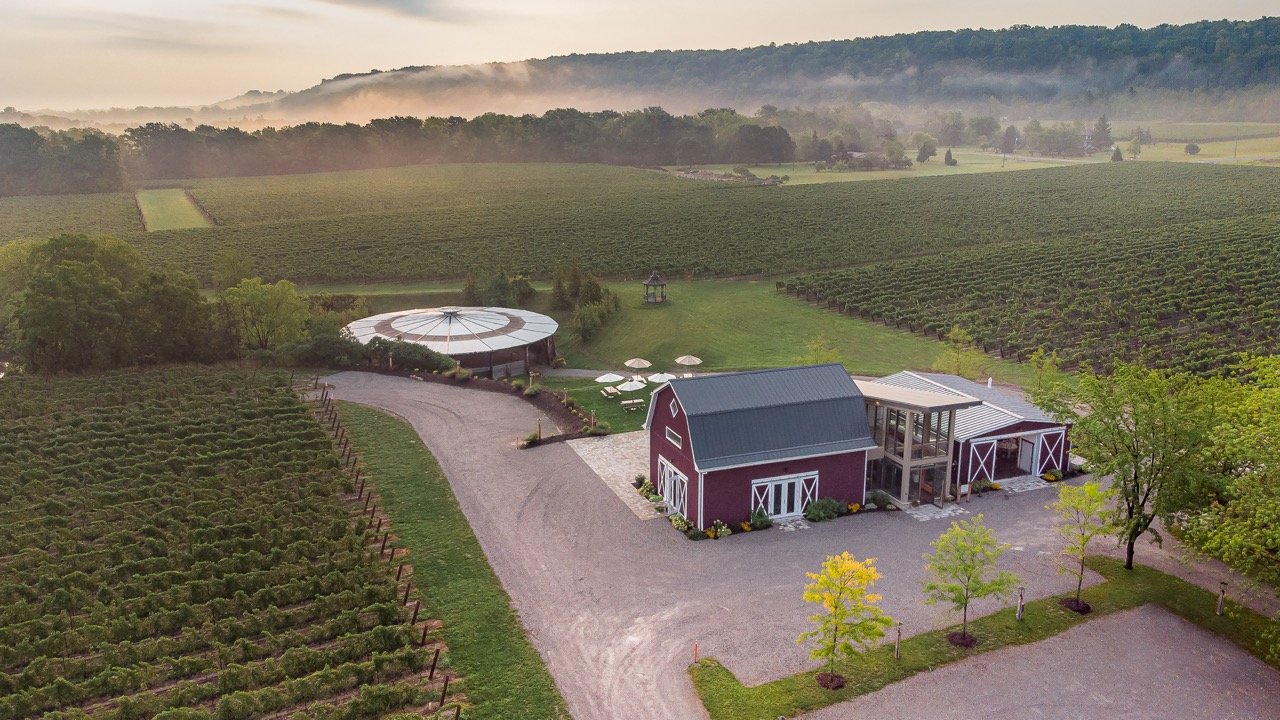
Tasting Note This is the first Gamay CSV at Cave Spring, an elevation of stature for this grape that speaks to its promise in Niagara. It joins CSV Riesling, CSV Chardonnay and CSV Cabernet Franc in the top proprietary tier. CSV is Cave Spring Vineyard, the original site planted in the 1980s. Winemaking is described in the backgrounder but, in general, this has been made traditionally (not carbonic), showing structure, complexity and depth that would have many surprised that it is gamay. It is not even pinot noir like — actually reminding me more of Chianti. The colour is medium ruby with good depth. The nose is generous, complex with red currant, raspberry fruit, considerable basil/tarragon herbality, a touch of red rose and wood spice. It is medium-bodied, warmish at 13.5%, with a texturally rich mid-palate. A bit sour edged, and almost crusty, drying and notably tannic on the finish. The length is excellent. It is a wine to cellar, an uncommon suggestion for gamay. Best 2028 to early 2030s. Meanwhile this summer, enjoy the lighter, brighter and delicious Gamay 2024 at $18.95.
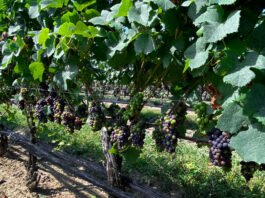
Backgrounder Cave Spring has long been a leader and bellwether for the progress and definition of which grapes belong on the Niagara Escarpment, and in this vintage they have put their bets down on gamay, using fruit from older vines in the limestone-clay soils of the Cave Spring Vineyard (CSV). The wine is comprised of 75% de-stemmed fruit with 30% stem return and 25% whole-cluster fruit, crushed by foot, which is rather uncommon nowadays. It was given a long five-week open-vat, indigenous yeast maceration and fermentation. It was barrel-aged 20 months, 80% in neutral and 20% in second-, third- and fourth-fill French oak, with most of the barrel formats being standard 225-litre barriques. It was bottled unfiltered with minimal sulphur additions.