Please Subscribe to Unlock
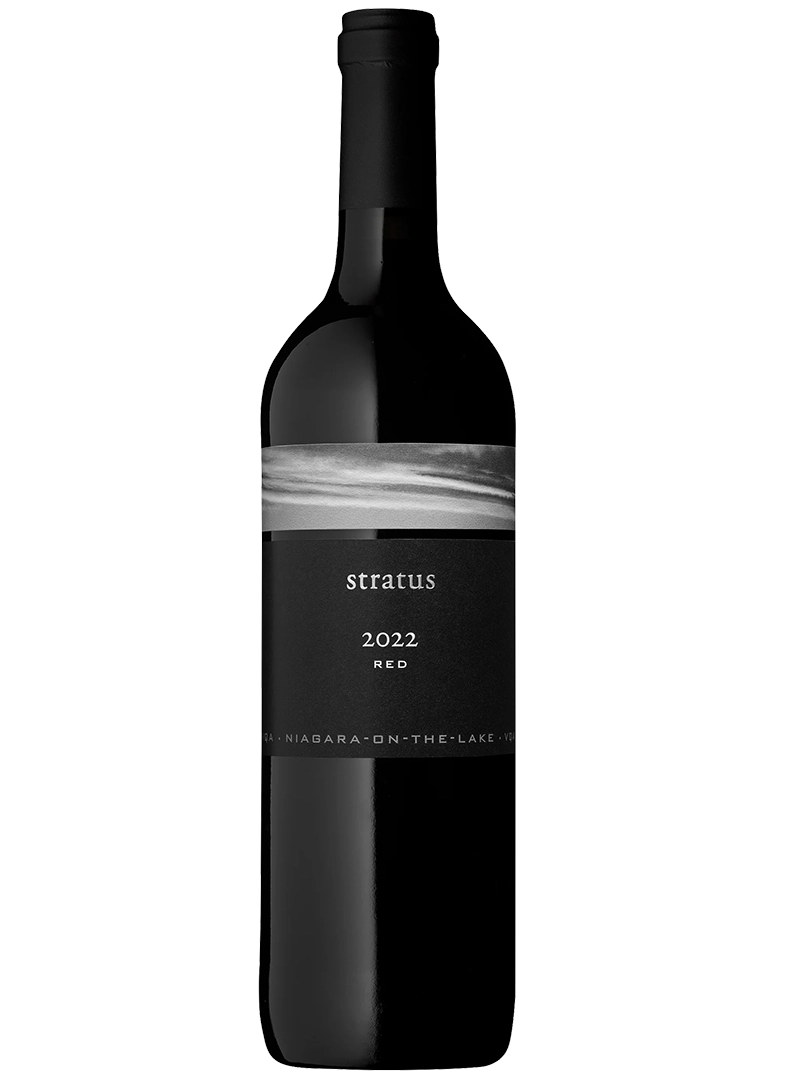
Tasting Note I have been reviewing Stratus Red since its first vintage in 2001, its longevity making it one of the original premium red blends in Ontario. I hesitate to use the term Bordeaux blend because there can be non-Bordeaux grapes involved. This vintage blends cabernet franc, cabernet sauvignon, syrah, petit verdot and merlot. And it is among the best yet with a sense of charm amid the richness that sets this apart from previous vintages. What is the reason? Is it the ripe, more supple 2022 vintage, or the inclusion of 11% syrah, or the leading 45% cabernet franc, or the passing of the winemaking mantle to Dean Stoyka? Or a confluence, perhaps, of all these elements? The nose is brimming with raspberry-blackberry fruit, well-sewn fresh herbs, spice and some oak resin and vanillin. It is full bodied and fairly dense, but open, supple and engaging at the same time. The alcohol reaches an impressive 14.8% but there is no heat here, speaking to depth of fruit and overall balance. Acids are moderate, tannins as well. The length is excellent to outstanding. Aerate if drinking now or along the way. It should live 20 years but you needn’t age it to enjoy it. Tasted April 2026.
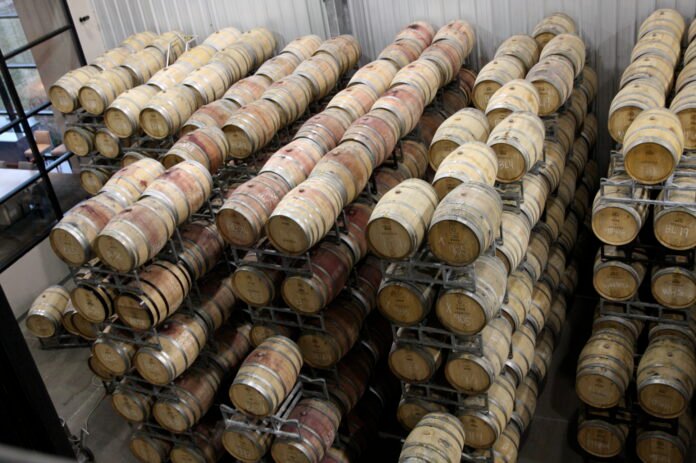
Backgrounder If you are wondering how a 2022 red is a “new release” here in 2026, please note that this was aged 607 days in barrel then several more months in bottle. Stratus sits in Niagara-on-the-Lake on the boundary of the two sub-regions of Four Mile Creek and Niagara Lakeshore, where it benefits from a longer growing season due to the proximity of summer-warmed waters of Lake Ontario. The location was critical to the original Stratus vision of one flagship premium red and one white blend. Since then, there is has been an emphasis on mapping the 55-acre vineyard to select certain blocks for certain wines. This really ramped up with the release of the $145 Stratus White Label Red 2020 (reviewed in December at CBW). The multiple blocks involving various varieties are vinified separately then undergo a meticulous blending process followed by long barrel ageing. In this vintage, only 6% new barrels were used.